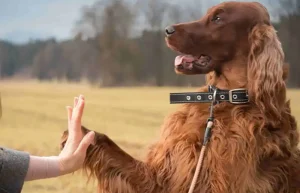
Training your pet is more than just teaching them tricks—it’s about building a strong bond, ensuring safety, and promoting good behavior. Whether you’re a first-time pet owner or have years of experience, effective training helps prevent common issues like aggression, destructive behavior, or anxiety, and encourages your pet to thrive in your home and community.
This guide provides actionable, realistic pet training tips to help you raise a confident, well-behaved, and happy pet.
Why Training Your Pet Is Essential
Training isn’t just for obedience—it’s vital for both your pet and your family’s well-being.
Key Benefits of Training:
-
Safety: Teaches your pet to respond in dangerous situations
-
Better Behavior: Reduces biting, chewing, and other destructive habits
-
Stronger Bond: Builds trust and communication between pet and owner
-
Mental Stimulation: Keeps your pet engaged and reduces boredom
-
Social Skills: Helps pets interact positively with other animals and people
Pets that are trained are happier, more confident, and safer in all environments.
Start With Basic Commands
Whether you have a dog, cat, or smaller pet, basic commands are the foundation of training.
Essential Commands for Dogs:
-
Sit: Encourages obedience and self-control
-
Stay: Keeps pets safe in potentially dangerous situations
-
Come: Critical for recall and safety
-
Leave it: Prevents pets from eating harmful objects
Basic Training for Cats:
-
Come when called: Use treats to encourage response
-
Litter training: Essential for hygiene
-
Scratching post training: Protects furniture
Consistency and patience are the keys to mastering these commands.
Use Positive Reinforcement
Positive reinforcement is the most effective and humane way to train your pet.
How It Works:
-
Reward desired behavior with treats, praise, or playtime
-
Ignore or redirect unwanted behavior rather than punishing
-
Keep training sessions short (5–15 minutes) to maintain focus
This method encourages your pet to repeat good behaviors without fear or anxiety.
Establish a Routine
Pets thrive on structure. A consistent daily routine improves training success.
Tips for a Routine:
-
Feed, walk, and play at the same times each day
-
Set fixed training sessions to reinforce commands
-
Include mental stimulation like puzzle toys or interactive games
Predictable routines reduce stress and help pets understand expectations.
Socialization Is Key
Proper socialization helps pets interact safely with other animals, people, and environments.
Socialization Tips:
-
Introduce pets gradually to new people, animals, and environments
-
Reward calm and friendly behavior
-
Attend training classes or pet meet-ups if possible
-
Avoid overwhelming your pet during early social experiences
Well-socialized pets are confident, less anxious, and easier to manage.
Handling Common Behavioral Issues
Every pet has behavioral challenges. Addressing them early prevents escalation.
Common Issues and Solutions:
-
Biting or nipping: Redirect attention to toys and reward gentle play
-
Excessive barking or meowing: Identify triggers and teach a “quiet” command
-
Chewing: Provide appropriate chew toys and keep valuables out of reach
-
Separation anxiety: Gradually increase alone time and provide comfort items
Consistency, patience, and positive reinforcement are essential to resolving these issues.
Training Tools That Help
The right tools make training safer and more effective.
Recommended Tools:
-
Treats or clickers for reinforcement
-
Leashes and harnesses for control and safety
-
Crates for safe containment and house training
-
Interactive toys for mental stimulation
Avoid harsh punishment tools, which can damage trust and cause fear.
Keep Training Fun and Engaging
Training should be enjoyable for both you and your pet.
Tips for Engagement:
-
Use a playful tone and offer frequent rewards
-
Incorporate short play sessions into training
-
Switch up commands or tricks to prevent boredom
-
End each session on a positive note
A fun approach strengthens the bond and encourages learning.
Frequently Asked Questions (FAQs)
1. How long does it take to train a pet?
Training is ongoing. Basic commands can take a few weeks with consistent effort, but habits develop over months.
2. Can older pets be trained?
Yes! Pets of any age can learn new skills, though patience and gradual progression are essential.
3. How often should I train my pet?
Short daily sessions (5–15 minutes) are more effective than long, infrequent sessions.
4. What should I do if my pet doesn’t respond?
Be patient and consistent. Break commands into smaller steps and reward small successes.
5. Is punishment ever effective in training?
Punishment can create fear and damage trust. Positive reinforcement is safer and more effective for long-term success.
Conclusion: Train With Patience, Love, and Consistency
Effective pet training is a combination of patience, consistency, and positive reinforcement. By starting with basic commands, establishing routines, addressing behavioral issues, and keeping training fun, you can raise a well-behaved, confident, and happy pet.
Remember, training is not a one-time task—it’s a lifelong process that strengthens your bond and ensures your pet’s safety, health, and happiness.