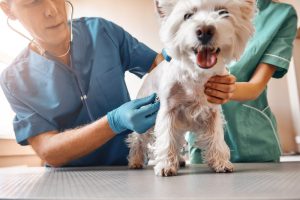
Pets are more than animals—they’re family. Whether you have a playful kitten, a loyal dog, or a curious bird, their safety should always be a top priority. Yet many pet owners unknowingly expose their pets to everyday risks at home and outdoors. From toxic foods to hidden household hazards, even small oversights can lead to serious health issues.
This comprehensive guide will walk you through practical, real-life pet safety solutions you can implement today. It’s designed to solve common problems, prevent emergencies, and help you create a safe, stress-free environment for your furry companions.
Understanding Common Pet Safety Risks
Before you can protect your pet, you need to know what dangers exist. Many risks are hidden in plain sight and often overlooked.
Pets are naturally curious. They explore with their mouths and paws, which makes them vulnerable to hazards like chemicals, sharp objects, and choking risks. Household items such as cleaning products, medications, and even certain foods can be toxic if ingested.
Another major risk is environmental exposure. Extreme heat, cold, or wet conditions can affect your pet’s health quickly. For example, leaving a pet in a hot car—even for a few minutes—can lead to fatal heatstroke.
Understanding these risks is the first step toward prevention.
How to Pet-Proof Your Home Effectively
Creating a pet-safe home is similar to childproofing—it requires attention to detail and consistency.
Start by removing or securing hazardous items. Keep electrical cords out of reach, store chemicals in locked cabinets, and avoid leaving small objects on the floor. Curious pets can chew wires or swallow items, leading to injuries or choking.
Toxic plants are another hidden danger. Popular houseplants like lilies or pothos can cause serious harm if ingested. Keeping them out of reach or replacing them with pet-safe alternatives is essential.
Windows, balconies, and stairs should also be secured. Installing screens and gates can prevent falls and escapes, especially for cats and small dogs.
A safe home environment significantly reduces the risk of accidents.
Safe Feeding and Toxic Food Awareness
Food safety is one of the most overlooked aspects of pet care.
Many human foods are dangerous for pets. Chocolate, grapes, onions, and products containing xylitol can be toxic and even life-threatening. Keeping these items out of reach is crucial.
Proper food storage is equally important. Use airtight containers to prevent contamination and avoid leaving food unattended. Pets may overeat or consume spoiled food, leading to digestive problems.
Always provide fresh, clean water and follow a consistent feeding routine. This not only keeps your pet healthy but also helps prevent behavioral issues like food aggression.
Outdoor Safety Tips Every Pet Owner Should Know
Outdoor environments can be exciting but also risky.
Ensure your yard is secure. Check fences regularly for gaps or damage that could allow your pet to escape. Avoid using harmful pesticides or chemicals in areas your pet frequents.
Weather conditions play a major role in pet safety. During hot weather, limit outdoor activities to early mornings or evenings. Always provide shade and water. Pets can’t regulate body temperature as efficiently as humans, making them prone to heatstroke.
In rainy or humid conditions, pets are more susceptible to infections, especially in their paws and skin. Keeping them dry and clean after outdoor exposure helps prevent illness.
Outdoor safety is about preparation and awareness.
Identification and Tracking for Lost Pets
Even the most careful pet owners can face the fear of a lost pet. Proper identification is your best defense.
Microchipping is one of the most reliable methods. It provides permanent identification that can help reunite you with your pet if they’re found.
In addition, always use ID tags with updated contact information. GPS trackers are also becoming popular, allowing you to monitor your pet’s location in real time.
These simple steps can make a life-saving difference.
Creating a Safe and Comfortable Living Space
Pets need a secure and comfortable environment to thrive.
Designate a specific area in your home where your pet can relax. This could be a cozy bed, a crate, or a quiet corner with their favorite toys. Having a dedicated space reduces stress and gives them a sense of security.
Choose pet-friendly furniture and materials. Durable, easy-to-clean surfaces help maintain hygiene and prevent damage. Non-slip rugs can also reduce the risk of injury, especially for older pets.
A well-designed space improves both safety and quality of life.
Emergency Preparedness and First Aid Basics
Accidents can still happen, even in the safest environments. Being prepared can save your pet’s life.
Keep a pet first aid kit at home. Include essentials like bandages, antiseptic solution, tweezers, and emergency contact numbers for your veterinarian.
Learn to recognize warning signs such as excessive panting, vomiting, or unusual behavior. Quick action during emergencies can prevent serious complications.
It’s also wise to know the location of the nearest veterinary clinic and have a plan in place for urgent situations.
FAQ: Pet Safety Solutions
1. What are the most common household dangers for pets?
Common dangers include toxic foods, cleaning chemicals, electrical cords, and small objects that can be swallowed. Keeping these items out of reach is essential.
2. How can I keep my pet safe during hot weather?
Avoid outdoor activities during peak heat, provide plenty of water and shade, and never leave your pet in a parked car.
3. Are indoor plants dangerous for pets?
Yes, some plants like lilies and pothos are toxic. Always check if a plant is pet-safe before bringing it into your home.
4. What should I do if my pet gets lost?
Ensure your pet has ID tags and a microchip. Contact local shelters and veterinarians immediately and use social media to spread the word.
5. How often should I check my home for pet hazards?
Regularly inspect your home, especially when introducing new items or rearranging furniture. Prevention is an ongoing process.
Conclusion: Protecting Your Pet Starts Today
Pet safety isn’t about perfection—it’s about awareness, preparation, and consistent care. By understanding common risks, pet-proofing your home, and taking proactive steps, you can prevent most accidents before they happen.
Your pet relies on you for protection and comfort. With the right safety measures in place, you’re not just preventing harm—you’re creating a loving environment where your pet can thrive every single day.