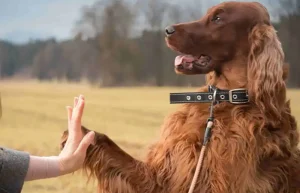
Bringing home a new puppy is exciting, heartwarming, and sometimes overwhelming. Puppies are curious, energetic, and eager to explore the world. However, without proper guidance, that energy can quickly turn into chewing furniture, jumping on guests, or ignoring your calls. The good news is that teaching basic commands to puppies is easier than you might think.
Training isn’t just about obedience. It builds trust, strengthens your bond, and creates a safer environment for your puppy and your family. In this beginner-friendly guide, you’ll learn simple, practical, and effective ways to teach basic puppy commands using positive methods that actually work.
Why Basic Puppy Training Is So Important
Teaching basic commands early sets the foundation for lifelong good behavior. Puppies are most receptive to learning between 8 and 16 weeks of age, but training can begin at any stage.
Basic commands help:
- Improve communication between you and your puppy
- Prevent dangerous situations
- Reduce behavioral problems
- Build confidence in your puppy
- Strengthen your relationship
Without structure, puppies may develop habits that are harder to correct later. Early training saves time and frustration in the future.
When Should You Start Training a Puppy?
You can begin teaching simple commands as soon as your puppy comes home. Even very young puppies can learn basic cues through repetition and positive reinforcement.
Keep sessions short and fun:
- 5–10 minutes at a time
- 2–3 sessions per day
- Always end on a positive note
Puppies have short attention spans, so consistency matters more than long training sessions.
The Golden Rule: Use Positive Reinforcement
Positive reinforcement means rewarding good behavior instead of punishing mistakes. This approach builds trust and encourages your puppy to repeat desired actions.
Effective Rewards Include:
- Small, soft treats
- Verbal praise (“Good job!”)
- Gentle petting
- Favorite toys
Avoid yelling, harsh corrections, or physical punishment. Fear-based training can create anxiety and slow learning.
Essential Basic Commands Every Puppy Should Learn
Teaching these foundational commands makes everyday life easier and safer.
- Sit
- Stay
- Come
- Down
- Leave It
- Heel
Let’s break each one down step by step.
How to Teach “Sit”
“Sit” is usually the easiest command to teach and forms the basis for many other behaviors.
Step-by-Step Instructions:
- Hold a treat close to your puppy’s nose.
- Slowly move the treat upward over their head.
- As their head follows the treat, their bottom will naturally lower.
- Once they sit, say “Sit” clearly.
- Immediately reward and praise.
Practice multiple times daily. Most puppies learn this command quickly within a few days.
How to Teach “Stay”
“Stay” teaches patience and self-control.
Step-by-Step Instructions:
- Ask your puppy to sit.
- Hold your palm out and say “Stay.”
- Take one small step back.
- If they remain seated, return and reward.
- Gradually increase distance and time.
Start small. Even a few seconds of staying still is progress. Build slowly and consistently.
How to Teach “Come”
“Come” is one of the most important safety commands. It ensures your puppy returns to you when called.
Step-by-Step Instructions:
- Get down to your puppy’s level.
- Say their name followed by “Come.”
- Open your arms and sound excited.
- Reward immediately when they reach you.
Never scold a puppy after they come to you, even if they were misbehaving before. You want them to associate coming to you with positive outcomes.
How to Teach “Down”
“Down” helps calm an overly excited puppy.
Step-by-Step Instructions:
- Start with your puppy in a sitting position.
- Hold a treat near their nose.
- Slowly lower the treat to the ground.
- As they follow it, their body will lower.
- Once fully lying down, say “Down” and reward.
This command may take more patience than “Sit,” but consistent practice pays off.
How to Teach “Leave It”
“Leave It” prevents puppies from picking up unsafe or unwanted items.
Step-by-Step Instructions:
- Hold a treat in your closed fist.
- Let your puppy sniff and investigate.
- When they stop trying to get it, say “Leave it.”
- Reward with a different treat from your other hand.
This teaches them that ignoring something leads to a better reward.
How to Teach “Heel”
“Heel” helps manage leash behavior during walks.
Step-by-Step Instructions:
- Hold treats in your hand near your side.
- Begin walking slowly.
- Reward your puppy when they walk beside you.
- Say “Heel” as they stay close.
Short, controlled walks work best for beginners.
Keep Training Sessions Short and Consistent
Consistency is the key to successful puppy training.
Training Tips:
- Use the same word every time.
- Train in a quiet, distraction-free area first.
- Gradually introduce distractions.
- Practice commands daily.
Repetition builds reliability.
Common Puppy Training Mistakes to Avoid
Even with good intentions, some mistakes can slow progress.
Avoid These Errors:
- Inconsistent commands
- Training only once a week
- Expecting perfection immediately
- Using punishment
- Overloading your puppy with too many commands at once
Focus on mastering one command before adding another.
How to Handle Puppy Distractions
Puppies are easily distracted by sounds, smells, and movement.
To Manage Distractions:
- Start training indoors.
- Move to the backyard once consistent.
- Introduce public areas gradually.
- Increase rewards in distracting environments.
The more challenging the environment, the higher the reward should be.
The Role of Socialization in Training
Socialization supports obedience training by building confidence.
Expose your puppy safely to:
- Different people
- Other vaccinated dogs
- Various environments
- Different sounds
Confident puppies respond better to commands because they feel secure.
How Long Does It Take to Train a Puppy?
Training timelines vary depending on breed, personality, and consistency.
Generally:
- Simple commands may take a few days to a week.
- Reliable responses may take several weeks.
- Full obedience development can take several months.
Patience and daily practice lead to steady improvement.
Building a Daily Training Routine
A structured routine makes learning predictable and effective.
Sample Daily Plan:
Morning:
Practice “Sit” and “Come” for 5 minutes.
Afternoon:
Short leash practice and “Heel.”
Evening:
Review “Stay” and “Down.”
Short sessions throughout the day reinforce learning naturally.
Signs Your Puppy Is Learning Successfully
You’ll notice progress when:
- Commands are followed without treats every time.
- Responses become quicker.
- Your puppy maintains focus longer.
- They respond even with mild distractions.
Celebrate small wins. Progress builds confidence for both of you.
When to Consider Professional Puppy Training Classes
If you’re struggling with consistency or your puppy shows persistent behavioral issues, professional classes can help.
Training classes offer:
- Structured guidance
- Controlled socialization
- Professional observation
- Expert advice
Group classes are also great for improving focus around distractions.
Long-Term Benefits of Teaching Basic Commands
Basic commands are not just short-term solutions. They create lifelong benefits.
Trained puppies grow into:
- More confident adult dogs
- Safer companions
- Easier-to-manage pets
- Happier family members
Early effort creates long-lasting results.
Conclusion
Teaching basic commands to puppies doesn’t require special skills or complicated techniques. With patience, consistency, and positive reinforcement, you can guide your puppy toward good behavior and build a strong bond in the process.
Start with simple commands like “Sit” and “Come,” keep sessions short and enjoyable, and reward progress consistently. Avoid punishment, stay calm, and remember that every puppy learns at their own pace.
Training is not about perfection. It’s about communication, trust, and steady improvement. With daily practice, your puppy will grow into a well-behaved and confident companion.
Frequently Asked Questions
1. At what age should I start teaching commands to my puppy?
You can begin basic training as early as 8 weeks old. Puppies are highly receptive to learning at a young age.
2. How long should each training session last?
Keep sessions short—5 to 10 minutes—several times per day. Puppies lose focus quickly.
3. Should I use treats every time?
Initially, yes. Once your puppy learns the command reliably, you can gradually reduce treats and replace them with praise.
4. What if my puppy ignores commands?
Check for distractions, use higher-value rewards, and practice in a quieter area before increasing difficulty.
5. Can older puppies still learn basic commands?
Absolutely. Puppies and even adult dogs can learn commands at any age with patience and consistency.