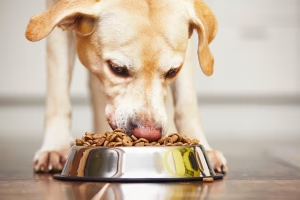
Choosing the right pet food bowl might not seem like a big deal, but it can make a world of difference for your pet’s comfort, health, and feeding experience. As pet owners, we often focus on food quality and the best treats, but we sometimes overlook the importance of selecting the right food bowl for our furry friends. Whether you have a dog, cat, or another pet, the right food bowl can prevent overeating, promote healthier eating habits, and even address some common health issues.
In this guide, we’ll walk you through the key considerations when choosing the best pet food bowl for your beloved companion. From material types to bowl shapes and sizes, we’ve got everything covered.
Why the Right Pet Food Bowl Matters
The right food bowl isn’t just about looks – it’s about functionality. A good pet food bowl promotes healthy eating habits, prevents discomfort, and keeps your pet hydrated. An unsuitable bowl can lead to unnecessary health problems like digestive issues, obesity, and even a lack of interest in food. For example, a shallow bowl might cause a cat to stretch too much, leading to discomfort, while a deep bowl might cause a dog to eat too quickly, resulting in choking or indigestion.
Choosing a bowl that suits your pet’s unique eating habits and needs is essential for promoting optimal health and a happier eating experience.
Types of Pet Food Bowls: Which One Is Right for Your Pet?
There are several types of pet food bowls available on the market, each with its own advantages. Let’s take a look at some common types:
1. Stainless Steel Bowls
Stainless steel bowls are one of the most popular choices among pet owners. They are durable, easy to clean, and resistant to bacteria and rust. Stainless steel is non-porous, meaning it doesn’t retain food odors or stains, making it an excellent choice for pets that eat wet food. Additionally, they are dishwasher-safe and highly resistant to wear and tear.
Pros:
- Long-lasting and durable
- Easy to clean and sanitize
- Resistant to bacteria and odors
Cons:
- Can be noisy if your pet’s eating habits involve a lot of licking or tapping
2. Ceramic Bowls
Ceramic bowls come in a wide variety of shapes, sizes, and designs, making them a visually appealing option for many pet owners. They are heavy, which means they are less likely to be tipped over by an enthusiastic eater. Additionally, ceramic bowls are non-toxic and offer a more natural look compared to stainless steel.
Pros:
- Heavy and sturdy, less likely to tip over
- Available in various designs and colors
- Safe and non-toxic materials
Cons:
- Can break if dropped
- Requires proper care to avoid chipping or cracking
3. Plastic Bowls
Plastic bowls are often the most affordable option, making them a great choice for budget-conscious pet owners. However, they can be prone to scratching, which can harbor bacteria and cause odors over time. Plastic bowls are lightweight, making them easy to move, but they may not be as durable as other materials.
Pros:
- Affordable and lightweight
- Available in various colors and sizes
Cons:
- Prone to scratches and wear
- May harbor bacteria and odors if not cleaned properly
4. Silicone Bowls
Silicone bowls are flexible, portable, and great for travel. They are soft and can be rolled or folded for easy storage. Silicone is also a non-slip material, so these bowls won’t slide around while your pet is eating. These bowls are easy to clean, and they’re gentle on your pet’s teeth and gums.
Pros:
- Flexible and portable
- Non-slip and lightweight
- Ideal for travel and outdoor adventures
Cons:
- Can be less durable than metal or ceramic
- May not be the best choice for large pets or heavy eaters
5. Elevated Bowls
Elevated bowls are a great option for larger dogs or pets with neck and joint issues. These bowls are raised off the ground, which encourages better posture during mealtime and reduces strain on your pet’s neck and spine. They are especially beneficial for senior pets, pets with arthritis, or pets with bloat risk.
Pros:
- Improved posture and digestion
- Reduces strain on the neck and spine
- Ideal for larger dogs or senior pets
Cons:
- Can be bulkier and less portable
- Not suitable for all pet types
Consider Your Pet’s Size and Eating Style
When selecting a pet food bowl, it’s crucial to consider your pet’s size and eating habits. A small dog will need a smaller bowl, while a large dog may require a larger or deeper bowl to accommodate their size. The same goes for cats – a bowl that is too large or too small can affect their eating comfort.
For Dogs
- Small dogs: Opt for shallow, smaller bowls that are easy for them to reach.
- Large dogs: Choose a larger or elevated bowl that promotes healthy posture and comfortable eating.
For Cats
Cats typically prefer low, shallow bowls. A bowl that’s too deep might force them to dig too deep, which can lead to whisker fatigue. If your cat has long whiskers, be sure to get a bowl that doesn’t force their whiskers to touch the sides too much.
The Importance of Non-Slip Bases
A non-slip base is an essential feature to look for in a pet food bowl, especially for energetic eaters or pets who tend to push their bowls around. Non-slip bases prevent the bowl from sliding across the floor, which makes mealtime less frustrating for your pet and keeps the food from being spilled.
Look for bowls with rubberized bottoms or silicone rings that create a solid grip on your floor. This simple feature helps prevent messes and ensures your pet’s eating experience is stress-free.
Material Safety: BPA-Free and Non-Toxic Options
When choosing a pet food bowl, make sure it’s made from pet-safe, non-toxic materials. BPA (bisphenol A) is a harmful chemical that can leach into your pet’s food if the bowl is not BPA-free. Always choose bowls labeled as BPA-free to ensure your pet’s safety.
How to Clean and Maintain Pet Food Bowls
Keeping your pet’s food bowl clean is crucial for preventing bacteria build-up and ensuring your pet’s health. Here are some tips to maintain a clean and safe feeding environment:
- Wash bowls regularly: Wash your pet’s food bowl after every use. Ceramic and stainless steel bowls are easy to clean, and many are dishwasher-safe.
- Use non-toxic cleaners: Avoid harsh chemicals. Instead, use pet-safe cleaning products or a mixture of mild soap and water.
- Check for wear: If you notice cracks, chips, or scratches in your pet’s bowl, it may be time to replace it, as these can harbor bacteria.
FAQs:
1. How do I know if my pet’s bowl is the right size?
The right bowl size should allow your pet to comfortably eat or drink without straining or spilling food. For dogs, the bowl should be deep enough to hold the proper amount of food, while for cats, a shallow bowl that doesn’t force their whiskers to touch the sides is ideal.
2. Are elevated bowls better for my dog?
Elevated bowls are especially helpful for larger dogs or older pets with neck or joint issues. They promote better posture and digestion. However, if your pet doesn’t have these issues, a regular bowl should suffice.
3. Can I use a plastic bowl for my pet?
While plastic bowls are affordable and convenient, they can be prone to scratching, which can harbor bacteria. If you opt for a plastic bowl, make sure to clean it regularly and check for damage.
4. How often should I clean my pet’s food bowl?
Clean your pet’s bowl at least once a day, especially if your pet is eating wet food. If your pet is on a dry food diet, cleaning the bowl every couple of days should suffice.
5. What material is best for pets with allergies?
If your pet has food allergies, it’s important to choose a material that won’t cause any reactions. Stainless steel and ceramic are both great options, as they are non-porous and less likely to cause allergic reactions.
Conclusion
Choosing the best pet food bowl is more than just a matter of style – it’s about ensuring your pet’s comfort, health, and well-being. Consider the material, size, shape, and features of the bowl that will suit your pet’s needs. Stainless steel and ceramic bowls offer durability and ease of cleaning, while elevated bowls are perfect for larger or senior pets. Don’t forget to prioritize safety, cleanliness, and your pet’s eating habits when selecting the perfect bowl. By taking the time to choose the right food bowl, you’ll ensure your pet enjoys every meal with comfort and ease.
In the end, selecting the right pet food bowl can make a huge difference in your pet’s eating habits and overall well-being. Choose wisely, and your pet will thank you for it!