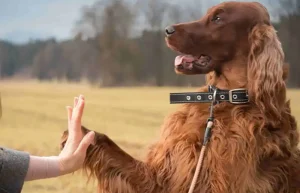
Few things are more frustrating than spending time training your pet—only to have them completely ignore your commands. You say “sit,” and they stare at you. You call their name, and they walk the other way. If this sounds familiar, you’re not alone.
Many pet owners assume their dog or cat is being stubborn or disobedient. In reality, pets rarely ignore commands out of defiance. There’s almost always a reason behind the behavior. Understanding that reason is the key to solving the problem.
In this detailed guide, we’ll explore why pets ignore training commands and provide simple, practical solutions you can apply immediately. Whether you’re training a puppy, adult dog, or even a cat, these strategies will help improve responsiveness and build better communication.
Understanding How Pets Learn
Before fixing the issue, it’s important to understand how pets process commands.
Pets don’t automatically understand human language. They learn through:
- Repetition
- Association
- Rewards
- Consistency
When you say a command like “stay,” your pet only understands it if it has been consistently paired with a specific action and reward. If that connection isn’t strong enough, they may not respond reliably.
Ignoring commands often means there’s a breakdown somewhere in that learning process.
1. Inconsistent Training Signals
One of the biggest reasons pets ignore commands is inconsistency.
If you sometimes say “come” and other times say “come here” or “come now,” your pet may not understand that all those phrases mean the same thing.
How to Fix It:
- Use the exact same word every time.
- Ensure everyone in the household uses the same commands.
- Maintain the same tone and body language.
Clear communication creates predictable expectations, and predictable expectations build reliability.
2. Lack of Motivation
If your pet doesn’t see a benefit in responding, they’re less likely to comply.
Think about it this way: if responding to your command doesn’t lead to something rewarding, why would they prioritize it?
Practical Solutions:
- Use higher-value treats during training.
- Reward immediately after the correct behavior.
- Mix praise, toys, and food rewards.
- Make training sessions fun and energetic.
Different pets respond to different rewards. Some love food, others prefer play or attention.
3. Too Many Distractions
Your pet might respond perfectly at home but ignore you outside. This is extremely common.
New environments bring:
- Sounds
- Smells
- People
- Other animals
These distractions compete with your voice.
How to Improve Focus:
- Start training in a quiet room.
- Gradually introduce mild distractions.
- Increase rewards in busy environments.
- Practice consistently in different locations.
Training needs to generalize across environments. A command learned in the living room must be practiced outdoors too.
4. Training Sessions Are Too Long
Pets have short attention spans, especially puppies and young animals.
If training sessions last too long, your pet may lose focus and appear unresponsive.
Better Approach:
- Keep sessions 5–10 minutes long.
- Train multiple short sessions per day.
- End on a positive note.
Short, successful sessions build enthusiasm rather than frustration.
5. The Command Wasn’t Fully Learned
Sometimes pets ignore commands simply because they haven’t truly mastered them yet.
Responding correctly once or twice doesn’t mean the behavior is reliable.
Signs a Command Isn’t Fully Learned:
- Works only when treats are visible.
- Works only indoors.
- Works only when repeated multiple times.
How to Strengthen Learning:
- Practice daily.
- Gradually reduce treat visibility.
- Increase difficulty slowly.
- Reward consistency, not just occasional success.
Mastery requires repetition under different conditions.
6. You’re Repeating Commands Too Often
If you say “sit, sit, sit” repeatedly, your pet learns that the first command doesn’t matter. They wait until you repeat it multiple times.
Solution:
- Say the command once.
- Wait calmly.
- If no response, guide gently and try again.
- Reward compliance immediately.
Teaching that commands are given once improves responsiveness significantly.
7. Negative Associations with Commands
If a command has been linked to something unpleasant, your pet may avoid responding.
For example:
- Calling your dog only to end playtime.
- Using “come” before bath time every time.
- Yelling after they approach you.
Pets associate words with outcomes.
Fixing Negative Associations:
- Pair the command with positive experiences.
- Reward heavily for compliance.
- Avoid using commands before unpleasant tasks.
Rebuilding trust restores responsiveness.
8. Physical or Emotional Discomfort
Sometimes pets ignore commands because they’re uncomfortable or stressed.
Possible causes include:
- Fatigue
- Overexcitement
- Environmental stress
- Sudden routine changes
Observe your pet’s body language. Signs of stress may include pacing, avoiding eye contact, or excessive panting.
In such cases, reduce pressure and create a calm environment before continuing training.
9. Lack of Clear Leadership and Structure
Pets thrive on structure and predictability. Without clear routines, they may feel uncertain about expectations.
Improve Structure By:
- Maintaining consistent feeding times.
- Scheduling daily exercise.
- Setting regular training periods.
- Enforcing rules consistently.
When expectations are stable, pets respond more reliably.
10. Over-Reliance on Treats
Treats are excellent training tools, but they shouldn’t become the only reason for obedience.
If your pet responds only when they see food, the training hasn’t fully transitioned to reliability.
Gradual Transition Strategy:
- Start with treats every time.
- Move to rewarding every second or third success.
- Replace some treats with praise or toys.
- Randomize rewards.
Variable rewards keep pets motivated without creating dependency.
11. Emotional State Affects Learning
Pets, like humans, have good days and bad days.
If your pet is overly excited, anxious, or tired, training performance may drop.
Instead of pushing through:
- Pause the session.
- Try again later.
- Adjust energy levels before training.
Emotional balance supports better learning.
12. Insufficient Exercise Before Training
High-energy pets often struggle to focus during training.
A short walk or play session before training can significantly improve attention.
Physical activity helps:
- Release excess energy
- Increase mental clarity
- Improve engagement
A calm, slightly tired pet learns better.
13. Expecting Immediate Perfection
Training is a process, not a one-time lesson.
Many owners unintentionally expect their pets to respond perfectly after minimal practice.
Realistically:
- Simple commands may take weeks to solidify.
- Reliable obedience in public takes months.
- Progress happens gradually.
Patience and consistency are essential.
14. Mixed Messages from Household Members
If one family member allows jumping and another discourages it, confusion arises.
All household members should:
- Use the same commands.
- Follow the same rules.
- Reinforce behavior consistently.
Unified training prevents mixed signals.
Building Better Communication with Your Pet
Improving responsiveness isn’t just about commands. It’s about communication.
Focus on:
- Clear body language
- Calm tone of voice
- Positive reinforcement
- Predictable routines
- Mutual trust
Training strengthens your bond when done patiently and respectfully.
How Long Does It Take to Improve Responsiveness?
Improvement timelines vary, but most pets show noticeable progress within:
- 1–2 weeks of consistent daily practice
- 3–6 weeks for reliable responses in multiple environments
Consistency accelerates results more than intensity.
When to Consider Professional Help
If your pet consistently ignores commands despite consistent training efforts, professional guidance may help.
A certified trainer can:
- Identify training gaps
- Assess environmental factors
- Create a personalized plan
- Improve communication techniques
Seeking guidance is proactive, not a failure.
Conclusion
If your pet ignores training commands, it’s rarely stubbornness. Most of the time, the issue comes down to inconsistency, distractions, unclear communication, or insufficient motivation.
By using consistent commands, keeping sessions short, rewarding appropriately, reducing distractions, and practicing regularly, you can significantly improve responsiveness.
Training isn’t about control—it’s about partnership. When your pet understands what you want and feels motivated to respond, obedience becomes natural rather than forced.
With patience, structure, and positive reinforcement, you’ll see steady improvement and enjoy a stronger connection with your pet.
Frequently Asked Questions
1. Why does my pet obey at home but ignore me outside?
Outdoor environments have more distractions. Practice gradually in different locations to improve reliability.
2. How often should I train my pet?
Short sessions (5–10 minutes) two to three times per day are more effective than one long session.
3. Should I stop using treats completely?
No. Gradually reduce treat frequency but continue rewarding with praise or toys to maintain motivation.
4. Is my pet being stubborn?
Usually not. Most ignored commands result from unclear communication, insufficient training, or distractions.
5. Can older pets still improve responsiveness?
Yes. Pets of any age can learn with consistent practice and positive reinforcement.