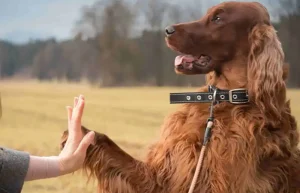
Training pets can be one of the most rewarding experiences for pet owners. However, not all training methods are created equal. While some rely on punishment or fear, positive reinforcement training techniques focus on encouraging desirable behavior through rewards and encouragement. This approach builds trust, strengthens bonds, and makes learning enjoyable for both you and your pet.
In this comprehensive guide, you’ll learn what positive reinforcement training is, why it works, and practical, beginner-friendly techniques to implement. Whether you’re teaching a dog to sit, a cat to use a scratching post, or a rabbit to respond to cues, these strategies are effective and humane.
Understanding Positive Reinforcement
Positive reinforcement is a training method where desirable behaviors are rewarded, making pets more likely to repeat them. It relies on the basic principle of operant conditioning: behaviors followed by positive outcomes increase in frequency.
Key Elements of Positive Reinforcement:
- Reward: Something the pet values, such as food, praise, or play.
- Timing: The reward must happen immediately after the desired behavior.
- Consistency: Rewards are given reliably to reinforce learning.
- Clarity: The pet must understand which behavior is being rewarded.
By focusing on rewarding good behavior rather than punishing bad behavior, pets learn faster, enjoy training, and develop stronger trust in their owners.
Why Positive Reinforcement Works Better Than Punishment
Punishment-based training can lead to fear, anxiety, and even aggression. Pets may learn to avoid unwanted behavior temporarily but often fail to understand what is expected. Positive reinforcement, on the other hand:
- Encourages learning through motivation
- Builds a strong bond between owner and pet
- Reduces stress and fear
- Promotes reliable, long-term behavioral change
- Makes training sessions fun and engaging
This method works for all animals, including dogs, cats, rabbits, birds, and even small rodents.
Common Rewards Used in Positive Reinforcement
Choosing the right reward is essential. Different pets respond to different motivators.
Food Rewards
- Treats are highly effective for dogs, cats, and small mammals.
- Use small, soft treats to allow for multiple repetitions.
- Gradually reduce treats over time to avoid dependency.
Verbal Praise
- Words like “Good job!” or “Yes!” can reinforce behavior.
- Use a cheerful, enthusiastic tone.
- Best combined with other rewards initially.
Physical Affection
- Petting, belly rubs, or gentle scratches are effective for many pets.
- Use physical affection appropriate to your pet’s preferences.
Toys and Play
- Some pets are more motivated by play than food.
- A favorite toy or interactive game can reinforce behavior.
- Use immediately after successful completion of a task.
Life Rewards
- Access to preferred activities can serve as a reward.
- For example, allowing a dog to go outside after sitting calmly.
- This type of reward strengthens the connection between behavior and outcomes.
Step-by-Step Positive Reinforcement Techniques
1. Clicker Training
Clicker training is a precise method that uses a small device to mark the desired behavior.
How It Works:
- Introduce the clicker to your pet by associating it with treats.
- When your pet performs the desired behavior, click immediately.
- Follow the click with a reward.
Clicker training is effective because the sound precisely marks the behavior, making it easier for pets to understand what earns a reward.
2. Luring
Luring guides your pet into the desired position using a treat or toy.
Example: Teaching “Sit”:
- Hold a treat near your pet’s nose.
- Slowly move the treat above their head.
- As they follow the treat, their bottom lowers.
- Reward immediately and use a verbal cue.
Luring is especially helpful for teaching new behaviors and shaping movements gradually.
3. Shaping
Shaping involves rewarding small steps toward the final behavior.
Example: Teaching “Roll Over”:
- Reward the dog for lying down.
- Reward them for turning slightly onto their side.
- Reward rolling further until the full roll is achieved.
Shaping breaks complex behaviors into achievable steps and keeps pets motivated.
4. Target Training
Target training teaches a pet to touch or follow an object.
Example: Teaching a Cat to Come:
- Use a small target stick or your hand.
- Reward the cat for touching or following the target.
- Gradually pair the target with a verbal command like “come.”
This technique is versatile and useful for agility, tricks, and redirecting pets.
5. Differential Reinforcement
This technique involves reinforcing good behavior while ignoring unwanted behavior.
Example: Reducing Jumping on Guests:
- Reward calm, four-on-the-floor behavior.
- Ignore jumping completely.
- Reward only the behavior you want.
Over time, the pet learns which behaviors are effective.
6. Premack Principle
The Premack Principle uses a high-probability behavior to reinforce a low-probability one.
Example:
- Ask your dog to sit before playing fetch.
- The preferred activity (fetch) becomes a reward for performing the desired behavior (sit).
This method is effective for pets who are highly motivated by specific activities.
Practical Tips for Positive Reinforcement Training
- Reward Immediately: Timing is critical—delayed rewards weaken the association.
- Keep Sessions Short: 5–10 minutes is ideal for most pets.
- Consistency is Key: Practice daily and use the same cues.
- Gradually Reduce Treats: Transition from food to praise or play to prevent dependency.
- Observe Preferences: Some pets respond better to toys or affection than food.
- Avoid Overwhelming Your Pet: Focus on one behavior at a time.
- Use Clear Cues: Always pair verbal commands with consistent gestures.
Common Mistakes to Avoid
- Rewarding unwanted behavior unintentionally
- Using punishment alongside positive reinforcement
- Long, boring sessions that frustrate your pet
- Inconsistent commands or rewards
- Skipping steps in shaping complex behaviors
Avoiding these mistakes ensures faster learning and a happier pet.
Applying Positive Reinforcement Across Pet Types
Dogs
- Teach basic obedience (sit, stay, come)
- Reduce barking and jumping
- Shape complex behaviors and tricks
Cats
- Encourage litter box use
- Teach tricks like “high five”
- Redirect scratching to posts
Small Mammals
- Encourage handling or target following
- Train simple tricks using clicker or treats
Birds
- Reinforce step-up or vocal behaviors
- Shape flying to specific areas
Positive reinforcement works universally because it taps into natural learning processes.
Building a Long-Term Positive Training Routine
- Set Clear Goals: Focus on behaviors that improve daily life and safety.
- Practice Consistently: Daily short sessions are more effective than occasional long sessions.
- Mix Rewards: Alternate treats, praise, and play to maintain motivation.
- Track Progress: Note improvements and adjust techniques accordingly.
- Keep Training Fun: End sessions on a positive note to create excitement for the next session.
Benefits of Positive Reinforcement Training
- Builds trust between pet and owner
- Encourages problem-solving and learning
- Reduces fear and anxiety
- Strengthens reliability of commands
- Makes pets more confident and engaged
When training is enjoyable, pets learn faster and are more willing to participate.
Conclusion
Positive reinforcement training techniques are among the most effective and humane methods for teaching pets. By rewarding desirable behavior rather than punishing mistakes, you create a trusting, safe, and motivating environment. Whether using treats, toys, praise, or play, positive reinforcement builds strong communication between you and your pet.
Consistency, timing, and patience are the keys to success. Start with small, achievable behaviors, gradually shape complex skills, and always make learning enjoyable. Over time, your pet will respond reliably, exhibit fewer problem behaviors, and strengthen the bond you share.
Frequently Asked Questions
1. How often should I train using positive reinforcement?
Short, frequent sessions—5 to 10 minutes, two to three times a day—are most effective.
2. Can positive reinforcement be used for aggressive behavior?
Yes, but professional guidance is recommended for severe aggression. Focus on building trust and rewarding calm behavior.
3. Do I need treats for every training session?
Initially, yes. Over time, gradually replace treats with praise or toys to prevent dependency.
4. How long does it take for positive reinforcement to work?
Simple behaviors may improve in days, while complex behaviors may take weeks. Consistency accelerates results.
5. Can positive reinforcement be used for all pets?
Yes. Dogs, cats, rabbits, birds, and small mammals all respond well to positive reinforcement when applied correctly.