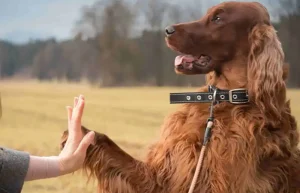
Training pets can sometimes feel overwhelming, especially for new pet owners. You may have heard of complicated training schedules, professional classes, and advanced techniques—but the truth is, effective training often comes down to consistency and simple daily routines. By embedding training into your pet’s everyday life, you can encourage good behavior, reduce stress, and strengthen the bond between you and your furry friend.
In this comprehensive guide, we’ll explore how to train pets using simple daily routines, including practical tips, examples, and strategies that are suitable for beginners. Whether you have a dog, cat, rabbit, or even a bird, these methods are designed to make training manageable, enjoyable, and effective.
Why Daily Routines Are Crucial for Pet Training
Pets thrive on structure and predictability. Unlike humans, animals often rely on routines to understand what’s expected of them. Without consistent routines, pets can become anxious, bored, or frustrated, which may lead to unwanted behaviors such as:
- Excessive barking or meowing
- Destructive chewing or scratching
- Ignoring commands
- Jumping on people
- Accidents indoors
Daily routines help pets learn when and how to behave. They also create opportunities for repeated practice, which is essential for reinforcing desired behaviors.
Key Benefits of Daily Routine Training:
- Predictability – Pets know what to expect, which reduces stress.
- Consistency – Frequent repetition strengthens learning.
- Bonding – Daily interactions foster trust and companionship.
- Behavior Management – Structured schedules reduce unwanted habits.
Step 1: Establish a Morning Routine
The first part of the day sets the tone for your pet’s behavior and mood. Morning routines can combine physical exercise, mental stimulation, and basic obedience training.
Example Morning Routine for Dogs:
- Wake-up Potty Break – Take your dog outside to reinforce proper elimination habits.
- Short Walk – A 10–20 minute walk helps release pent-up energy.
- Basic Commands Practice – Spend 5 minutes on “sit,” “stay,” “come,” or “down.”
- Breakfast with Enrichment – Use puzzle feeders or treat-dispensing toys during meals to stimulate the mind.
Morning Routine for Cats:
- Interactive Play – Use a wand toy or laser pointer for 5–10 minutes.
- Feeding with Challenge – Offer breakfast in a puzzle feeder or hiding small treats to encourage problem-solving.
- Litter Box Check – Clean the litter box to reinforce good habits.
By starting the day with structured activities, your pet learns that good behavior and engagement lead to rewards, setting a positive tone for the day.
Step 2: Integrate Training During Walks and Outdoor Time
Walks are not just for exercise—they’re excellent training opportunities. Outdoor environments are full of distractions, so practicing commands during walks improves focus and reliability.
Practical Tips for Outdoor Training:
- Use Basic Commands – Practice “heel,” “sit,” and “come” during walks.
- Reward Calm Behavior – Stop and reward your pet when they remain calm around other dogs or people.
- Short Sessions – Focus on one or two commands per walk to avoid overwhelm.
- Leash Training – Teach your pet to walk politely on a leash, reinforcing self-control.
Even a few minutes of consistent training outside daily can significantly reduce unwanted behaviors such as pulling, jumping, or lunging.
Step 3: Schedule Consistent Meal and Snack Times
Consistency in feeding helps with training and behavior management. Pets who know when and where to eat are less likely to beg, hoard food, or show aggression.
Using Mealtimes for Training:
- Sit and Wait – Teach your dog to sit calmly before receiving food.
- Place Command – Encourage your pet to go to a mat or designated area while you prepare meals.
- Puzzle Feeders – For cats and dogs, these tools stimulate mental engagement during meals.
- Reward for Patience – Praise pets who wait calmly rather than demanding food.
Routine feeding combined with training reinforces patience, self-control, and focus.
Step 4: Short, Frequent Training Sessions
Short sessions throughout the day are more effective than long, infrequent sessions. Daily routines allow you to naturally integrate training without adding extra stress.
How to Implement Short Sessions:
- 5–10 Minutes at a Time – Ideal for young or easily distracted pets.
- Multiple Sessions – Practice commands or tricks 2–3 times daily.
- Reward Immediately – Use treats, praise, or play as motivation.
- Gradually Increase Difficulty – Start in a quiet area and introduce distractions as your pet improves.
Short, frequent sessions prevent boredom and frustration while making training part of daily life.
Step 5: Encourage Mental Stimulation Throughout the Day
Physical exercise alone isn’t enough; pets also need mental engagement. Daily routines can incorporate simple problem-solving exercises to keep your pet sharp and focused.
Mental Stimulation Ideas:
- Hide and Seek – Hide treats or toys and encourage your pet to find them.
- Training New Tricks – Introduce one new command or trick per week.
- Interactive Toys – Rotate toys to keep them novel and challenging.
- Environmental Exploration – Allow supervised exploration of safe areas to engage curiosity.
Mentally stimulated pets are more attentive during training and less likely to develop behavioral problems.
Step 6: Use Consistent Rules and Reinforcement
Daily routines are effective only when rules and rewards are consistent. Mixed messages confuse pets and slow progress.
Tips for Consistency:
- Use the same verbal cues and gestures for each command.
- Ensure all family members follow the same rules.
- Reward the behaviors you want to see consistently.
- Avoid giving attention to unwanted behaviors, even when it’s unintentional.
Consistency within daily routines builds trust and clear understanding.
Step 7: Implement Evening Wind-Down Training
Just as mornings set the tone, evenings are an opportunity to reinforce calm and relaxation. Evening routines can prevent overexcitement before bedtime and strengthen training.
Evening Routine Examples:
- Calm Play or Walk – Gentle activity to release remaining energy.
- Practice “Settle” or “Place” Commands – Encourage your pet to lie calmly on a bed or mat.
- Review Learned Commands – Quick 5-minute session to reinforce morning and afternoon training.
- Nighttime Feeding – Optional puzzle feeder or treat to end the day positively.
Evening routines help pets wind down and maintain consistency in their daily learning.
Step 8: Monitor Progress and Adjust Routines
Daily routines are effective only if you track progress and make adjustments as needed.
How to Monitor:
- Note behaviors that improve or persist.
- Adjust exercise, mental stimulation, or training times accordingly.
- Gradually introduce new commands or challenges.
- Celebrate small successes to stay motivated.
Regular assessment ensures your routine remains effective and adapts to your pet’s growth.
Step 9: Socialization Within Daily Routines
Socialization is essential for well-behaved pets. Integrate social opportunities into daily routines for steady improvement.
Socialization Strategies:
- Introduce your pet to different people, environments, and other pets gradually.
- Reward calm and appropriate interactions.
- Include socialization during walks, training sessions, and playtime.
Daily exposure reduces fear, anxiety, and aggression while reinforcing learned behaviors.
Step 10: Keep Training Fun and Rewarding
Pets learn best when training is enjoyable. Daily routines should not feel like chores—they should be an opportunity to bond and have fun.
Tips to Make Training Fun:
- Vary rewards between treats, praise, and play.
- Use games to practice commands.
- Keep sessions upbeat and enthusiastic.
- End sessions on a positive note to maintain motivation.
Fun, positive experiences reinforce learning and encourage pets to engage willingly.
Common Mistakes to Avoid
- Skipping sessions due to a busy schedule – consistency matters.
- Using punishment or harsh tones – this creates fear and slows learning.
- Overloading sessions with too many commands – focus on one at a time.
- Ignoring progress – even small improvements should be rewarded.
- Changing rules frequently – pets need clear expectations.
Avoiding these mistakes ensures your daily routine remains effective and enjoyable.
Conclusion
Training pets using simple daily routines is one of the most practical and effective approaches for pet owners. By embedding training into regular activities such as walks, meals, playtime, and evening wind-downs, you create a predictable environment where pets learn faster, feel secure, and enjoy interaction.
Consistency, positive reinforcement, and short sessions are the key elements of success. Daily routines help prevent behavioral problems, strengthen communication, and make training a natural part of life rather than a chore.
Whether you have a dog, cat, or small mammal, these strategies can be tailored to your pet’s needs, energy level, and personality. Over time, simple daily routines can lead to remarkable behavioral improvements and a stronger, more harmonious relationship with your furry friend.
Frequently Asked Questions
1. How long should each training session be in daily routines?
Short sessions of 5–10 minutes, repeated 2–3 times a day, are most effective for maintaining focus.
2. Can cats benefit from daily routine training?
Yes. Cats respond well to consistent schedules for play, feeding, and litter box use.
3. What if my pet doesn’t respond to training?
Assess for distractions, motivation, or health issues. Gradually adjust routines and reinforce rewards consistently.
4. How do I keep my pet engaged throughout the day?
Combine mental stimulation, interactive play, exercise, and rewards within your daily schedule.
5. Can older pets still learn through daily routines?
Absolutely. Daily routines provide structure and repetition, which are effective for pets of all ages.