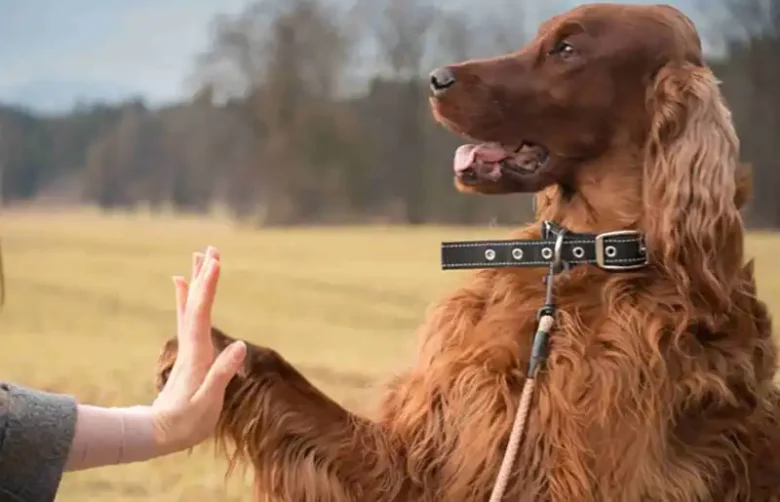
Training your pet is one of the most rewarding parts of pet ownership. A well-trained pet is safer, happier, and easier to live with. When I first brought home my puppy, I quickly realized that even basic commands like “sit” or “come” were not automatic. Without proper guidance, pets can develop habits that are hard to change later, from chewing furniture to pulling on the leash.
This guide shares practical, experience-based pet training tips that have worked for me and countless other pet owners. I’ll cover everything from basic obedience to behavior management, along with common mistakes and actionable strategies you can apply immediately.
By the end of this article, you’ll have a clear roadmap to train your pet effectively while building a strong, trusting bond.
Why Training Your Pet Matters
Training is not just about obedience—it’s about safety, communication, and enrichment.
-
Safety: Commands like “stay” or “come” can prevent accidents.
-
Better behavior: Reduces unwanted habits such as jumping, barking, or chewing.
-
Mental stimulation: Training exercises keep pets mentally active, which improves overall health.
-
Strengthened bond: Training sessions are opportunities for positive interaction.
Pets that are well-trained tend to be more confident and content because they understand expectations and boundaries.
Start With the Basics
1. Establish Clear Rules
Consistency is key. Decide what behaviors are allowed and which are not. For example:
-
Will your dog be allowed on the couch?
-
Are table scraps allowed?
-
Which areas of the house are off-limits?
Consistency helps your pet understand boundaries and reduces confusion.
2. Use Positive Reinforcement
Positive reinforcement is one of the most effective training methods. Reward your pet for good behavior with:
-
Treats or snacks
-
Verbal praise (“Good boy/girl!”)
-
Playtime with a favorite toy
Avoid punishment-based training, as it can cause fear or anxiety.
3. Keep Training Sessions Short
Pets, especially puppies, have limited attention spans.
-
5–10 minutes per session is usually enough
-
Multiple short sessions throughout the day work better than one long session
Short sessions help maintain focus and prevent frustration for both you and your pet.
Basic Commands Every Pet Should Learn
1. Sit
“Sit” is a foundational command that helps with control in other situations.
-
Hold a treat above your pet’s nose
-
Move the treat backward over the head
-
As the pet sits naturally, say “Sit” and give the treat
Consistency and repetition are key.
2. Come
The “Come” command is crucial for safety.
-
Use a cheerful tone
-
Start in a quiet environment with few distractions
-
Reward immediately when your pet comes to you
3. Stay
“Stay” teaches patience and restraint.
-
Ask your pet to sit
-
Hold your hand up, say “Stay”
-
Step back slowly, reward if they remain in place
-
Gradually increase distance and duration
4. Leave It / Drop It
This command prevents pets from picking up dangerous items.
-
Present a treat in your hand and say “Leave it”
-
When the pet ignores it, reward with a different treat
-
Practice regularly with toys and objects
House Training Tips
House training requires patience and consistency.
-
Set a routine: Feed and take your pet out at the same times each day
-
Supervise: Keep an eye on your pet indoors, especially during early training
-
Reward success: Praise and treats immediately after your pet eliminates outside
-
Clean accidents properly: Use enzyme cleaners to remove odors and prevent repeat behavior
For cats, provide clean litter boxes in quiet locations, and scoop daily.
Leash Training
Walking on a leash is essential for safety and control.
-
Start indoors or in a fenced yard
-
Reward your pet for walking beside you without pulling
-
Use a short leash at first for better control
-
Gradually introduce distractions as your pet becomes comfortable
Patience is key—some pets take weeks to walk calmly without pulling.
Managing Behavioral Problems
Training isn’t only about commands—it’s also about addressing common behavioral issues.
1. Chewing
-
Provide appropriate chew toys
-
Avoid leaving valuable items within reach
-
Redirect chewing to toys, not furniture
2. Barking
-
Identify triggers (strangers, noises, boredom)
-
Teach the “Quiet” command with calm reinforcement
-
Avoid yelling, as it can increase anxiety
3. Jumping
-
Ignore the pet when they jump
-
Reward only when all four paws are on the ground
-
Consistency from all household members is essential
Advanced Training Tips
Once basic commands are mastered, you can introduce more advanced skills:
-
Trick training: Roll over, shake hands, or fetch specific items
-
Agility exercises: Helps with physical and mental stimulation
-
Impulse control games: Teach pets to wait or respond to cues for better self-control
Advanced training strengthens the bond and keeps pets engaged and confident.
Common Mistakes in Pet Training
Even experienced owners make mistakes. Avoid these pitfalls:
-
Inconsistency: Changing rules or commands confuses your pet
-
Impatience: Expecting instant results leads to frustration
-
Punishment-based training: Can create fear or aggression
-
Skipping socialization: Pets need exposure to new people, pets, and environments to behave well in different situations
Real-Life Example: Training Success
When I adopted my energetic dog, leash pulling was a major issue. I started with short walks indoors, using treats to reward walking beside me. Gradually, I increased distance and added outdoor distractions. Within a month, walks became enjoyable and safe.
This experience taught me that training is about patience, consistency, and understanding your pet’s natural behavior.
Tools That Help With Training
-
Clickers for precise reinforcement
-
Treat pouches for convenient rewards
-
Interactive toys to encourage learning through play
-
Training mats or designated areas for practice
Final Thoughts
Pet training is a journey that strengthens the bond between you and your pet while improving safety, behavior, and well-being.
Key takeaways:
-
Start with consistent rules and positive reinforcement
-
Focus on basic commands first
-
Address behavioral issues calmly and proactively
-
Keep sessions short, frequent, and enjoyable
-
Gradually introduce advanced training for mental and physical stimulation
With patience and dedication, your pet can become well-behaved, confident, and happy, making life together more enjoyable for both of you.