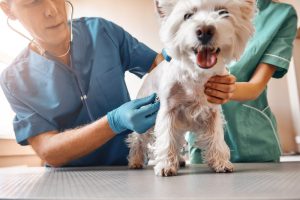
Pets bring joy, companionship, and love into our lives, but ensuring their safety is a responsibility every pet owner must take seriously. Accidents, environmental hazards, and preventable illnesses can threaten your pet’s well-being if precautions aren’t in place. Whether you have a playful puppy, a curious kitten, or a senior dog, understanding how to protect your pets both at home and outdoors is essential. This guide provides practical, actionable tips to keep your furry friends safe, happy, and healthy.
Creating a Safe Home Environment
Your home should be a sanctuary for your pet, free from hazards and stressors. A secure environment reduces the risk of injuries, poisoning, and behavioral problems.
Home Safety Tips:
-
Remove toxic substances: Keep cleaning products, chemicals, medications, and certain foods out of reach. Chocolate, grapes, onions, and xylitol are dangerous for pets.
-
Pet-proof the space: Secure wires, small objects, and breakable items that pets might chew or swallow.
-
Provide safe resting areas: Cozy beds or crates offer a secure place for pets to rest without risk of injury.
-
Use baby gates or barriers: Restrict access to dangerous areas like kitchens, stairs, or garages.
A well-organized and hazard-free home reduces accidents and provides peace of mind for both pets and owners.
Safe Outdoor Activities
Outdoor exploration is vital for physical exercise and mental stimulation, but it comes with risks. Ensuring your pets are protected outdoors helps prevent accidents, injuries, and exposure to harmful elements.
Outdoor Safety Strategies:
-
Use collars and leashes: Always use a properly fitted collar or harness with identification tags. Leashes prevent pets from running into traffic or dangerous areas.
-
Secure your yard: Ensure fences are high and sturdy enough to prevent escapes. Check for holes or weak spots regularly.
-
Avoid toxic plants and chemicals: Many common garden plants are poisonous to pets. Keep pesticides and fertilizers out of reach.
-
Monitor weather conditions: Extreme heat can cause heatstroke, while cold weather can lead to hypothermia. Limit outdoor time accordingly.
By supervising outdoor activities and using protective measures, pets can safely enjoy the benefits of fresh air and exercise.
Preventing Accidents and Injuries
Accidents at home or outdoors are a leading cause of injury in pets. Awareness and prevention can significantly reduce these risks.
Tips to Prevent Accidents:
-
Keep small objects out of reach: Toys, coins, or small household items can cause choking if swallowed.
-
Avoid leaving pets unattended in vehicles: Temperatures rise quickly in cars, putting pets at risk of heatstroke.
-
Supervise stair use and furniture jumps: Older pets or those with mobility issues may fall or injure themselves.
-
Monitor play with other animals: Not all pets play safely together; supervise interactions to prevent fights or injuries.
Regular vigilance and preventive measures minimize the risk of injury and ensure pets remain safe in various environments.
Emergency Preparedness
Being prepared for emergencies is crucial for your pet’s safety. Accidents, natural disasters, or sudden illnesses can happen unexpectedly.
Emergency Tips:
-
First aid kit: Keep bandages, antiseptics, and pet-safe medications handy. Learn basic pet first aid skills.
-
Know your vet and emergency clinics: Keep contact information readily available.
-
Identification: Microchips and ID tags ensure lost pets can be quickly returned.
-
Emergency plan: Have a plan for evacuation or care during natural disasters, power outages, or unexpected events.
Preparation increases your ability to respond effectively and keeps pets safe during emergencies.
Health and Hygiene Safety
Maintaining proper health and hygiene is a fundamental aspect of pet safety. Many illnesses and infections can be prevented through routine care.
Health Safety Tips:
-
Vaccinations: Keep pets up-to-date on vaccines to prevent serious diseases.
-
Parasite control: Use veterinarian-recommended flea, tick, and worm prevention.
-
Regular grooming: Brushing, bathing, and nail trimming reduce infections and improve comfort.
-
Dental care: Healthy teeth prevent infections and improve overall well-being.
Routine health care not only protects pets from diseases but also contributes to longer, happier lives.
Safe Feeding Practices
What you feed your pet and how you feed them can significantly impact their safety and health.
Feeding Safety Tips:
-
Avoid toxic foods: Never give chocolate, alcohol, caffeine, or human medications.
-
Use appropriate dishes: Heavy, non-tip bowls prevent spills and accidents.
-
Measure portions: Overfeeding leads to obesity, while underfeeding can cause malnutrition.
-
Provide fresh water: Always keep water clean and accessible to prevent dehydration.
Safe feeding practices prevent digestive issues, poisoning, and other diet-related risks.
Training and Behavioral Safety
Behavioral safety is often overlooked but equally important. Well-trained pets are less likely to engage in dangerous behaviors.
Behavioral Tips:
-
Basic commands: Teach “sit,” “stay,” “come,” and “leave it” to prevent accidents.
-
Socialization: Introduce pets gradually to new people, animals, and environments to reduce anxiety or aggression.
-
Positive reinforcement: Reward good behavior with praise or treats to encourage safe habits.
-
Supervised interactions: Monitor play with children and other pets to avoid injuries.
Training reduces risks and strengthens the bond between pets and owners.
FAQ: Pet Safety Essentials
Q1: How can I prevent my pet from getting lost outdoors?
A: Use collars with ID tags, microchip your pet, and always supervise outdoor activities. Secure your yard and leash pets during walks.
Q2: Are certain household plants dangerous for pets?
A: Yes. Common toxic plants include lilies, poinsettias, azaleas, and philodendrons. Keep them out of reach or remove them from your home.
Q3: What should I include in a pet first aid kit?
A: Essentials include bandages, antiseptics, tweezers, digital thermometer, styptic powder, and pet-safe medications.
Q4: How can I protect my pet in extreme weather?
A: Limit exposure to heat or cold, provide shade or shelter, avoid asphalt burns, and ensure hydration or warmth depending on conditions.
Q5: How often should I inspect my home for hazards?
A: Regularly—ideally once a week—for items like loose wires, small objects, chemicals, or broken furniture that could pose a risk.
Conclusion
Ensuring your pet’s safety at home and outdoors is a continuous responsibility, but the rewards are immeasurable. By creating a secure environment, supervising outdoor activities, practicing safe feeding, maintaining health routines, and preparing for emergencies, you minimize risks and protect your beloved companions. Combining preventive measures with training and awareness helps pets live longer, happier, and healthier lives. Safety isn’t just about avoiding accidents—it’s about creating an environment where your pets can thrive with confidence, curiosity, and joy.